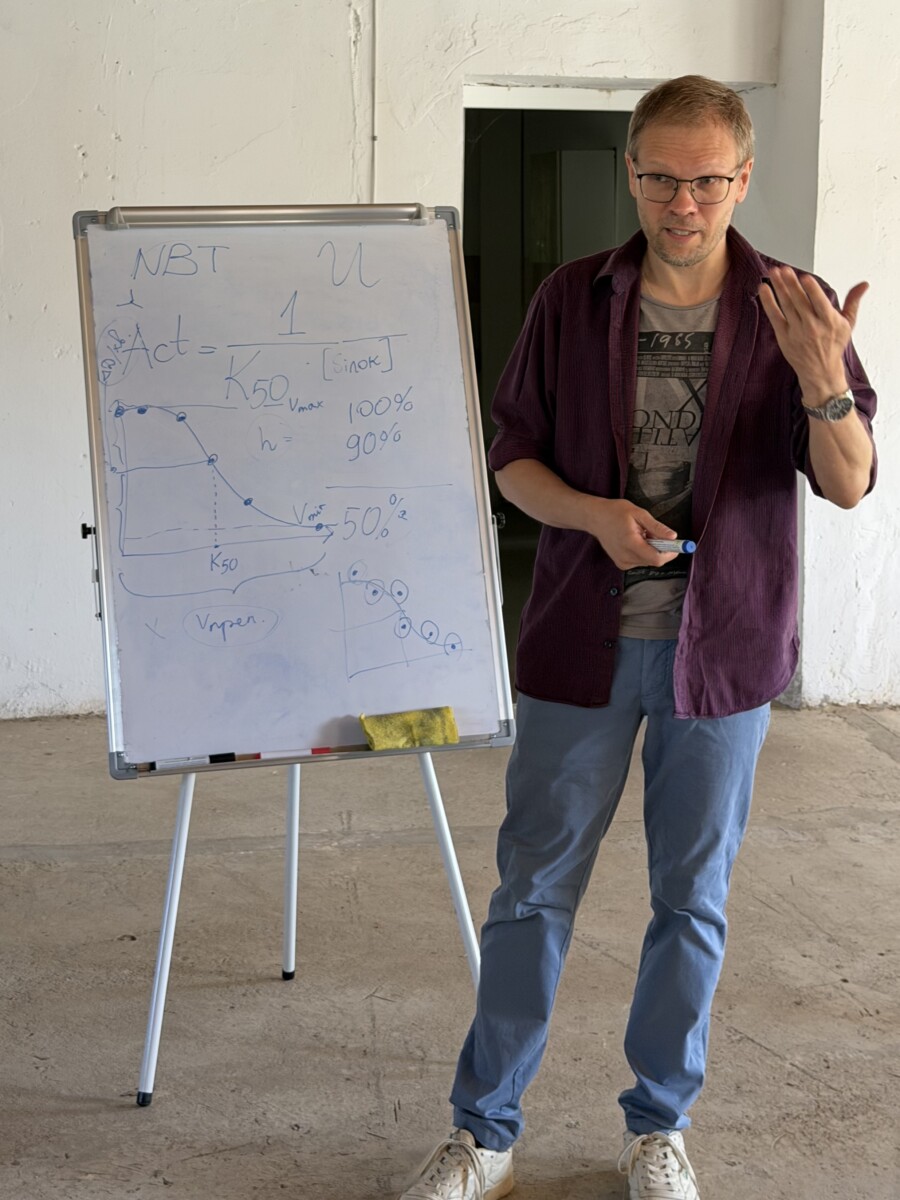
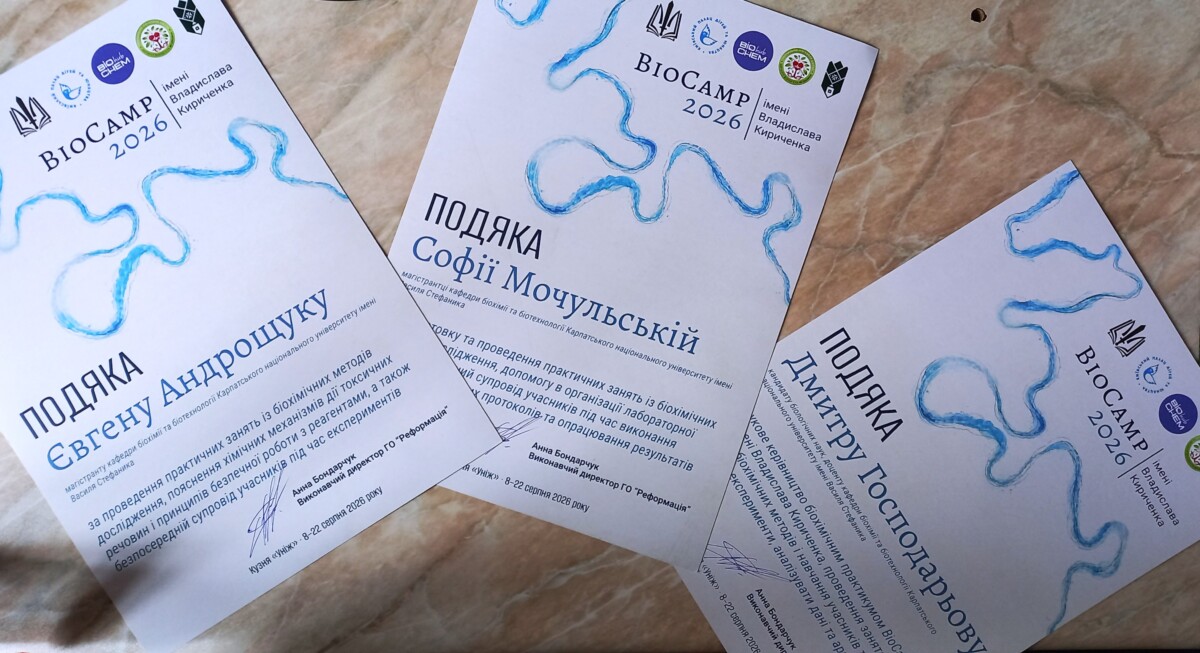
Associate Professor of the Department Dmytro Gospodaryov and Master students Yevhen Androschuk and Sofiia Mochulska took part in conducting practical work and lectures of the biological camp in Unizh. Professors Volodymyr and Oleh Lushchak also joined the camp. In his lecture, Professor Volodymyr Lushchak spoke about the founder of the Forge, entrepreneur Vladyslav Kyrychenko, as well as about response of organisms to oxidative stress and the scientific directions of the department. Professor Oleh Lushchak gave a lecture “From Idea to Publication” about the life cycle of a research project, the features of the analysis of research data and their visualization. The event was organized by the non-governmental organization “Reformation”, founded by Vladyslav Kyrychenko. The founders of the BioChemHub educational platform Bohdan Tarhovsky and Olha Tarnopolska, teachers of the Kyiv Palace of Children and Youth – Olena Solianyk and Volodymyr Lyashenko (also an assistant professor at the Department of Ecology and Zoology of the Taras Shevchenko National University of Kyiv), postdocs at the Institute of Living Systems of the University of Exeter (Great Britain), Daryna Zavadska, and research fellow of the Institute of Molecular Biology and Genetics Svitlana Chernii also participated in the organization of the BioCamp. The NGO “Reformation” was represented by Anatoliy Symovonyuk (chairman) and Anna Bondarchuk (executive director).
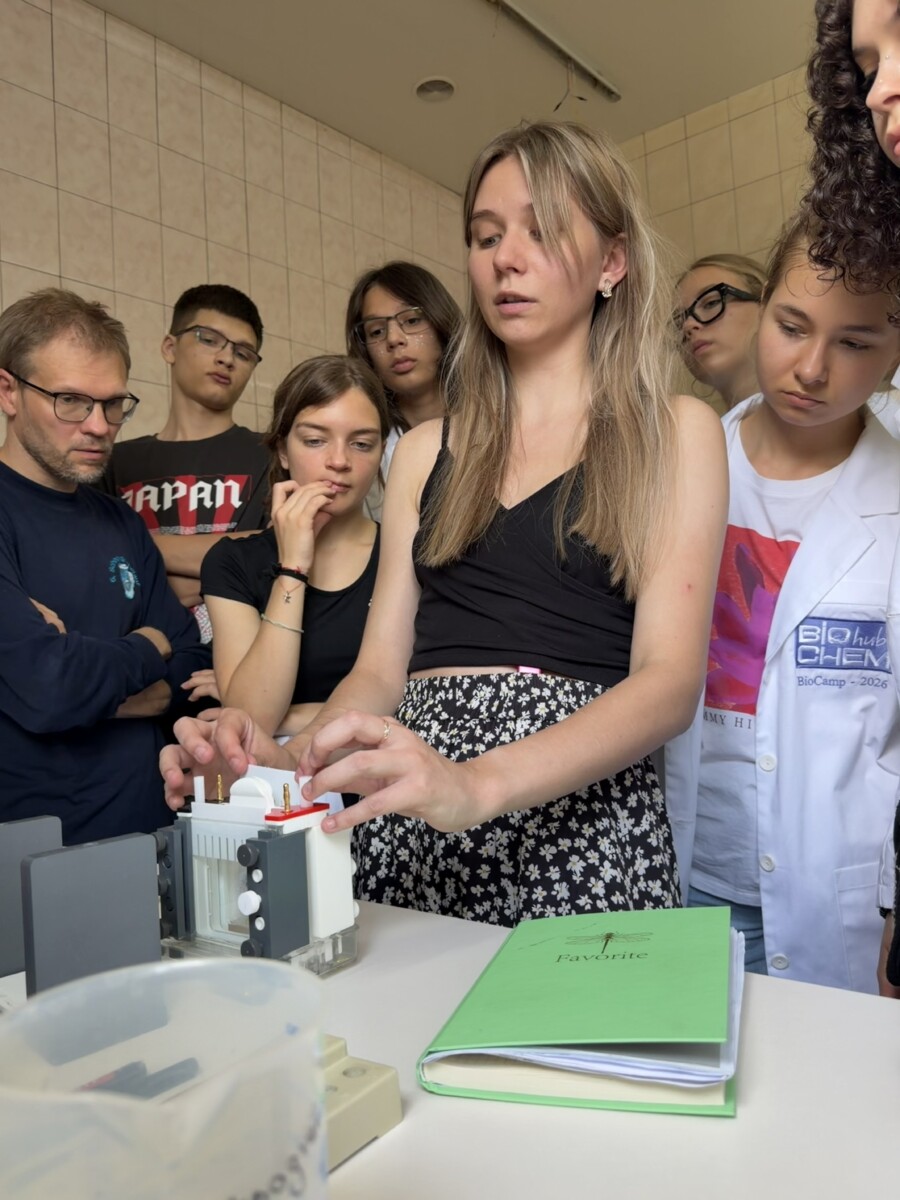
The key topic of this year’s BioCamp was stress in all possible aspects, including post-traumatic stress disorder and oxidative stress.
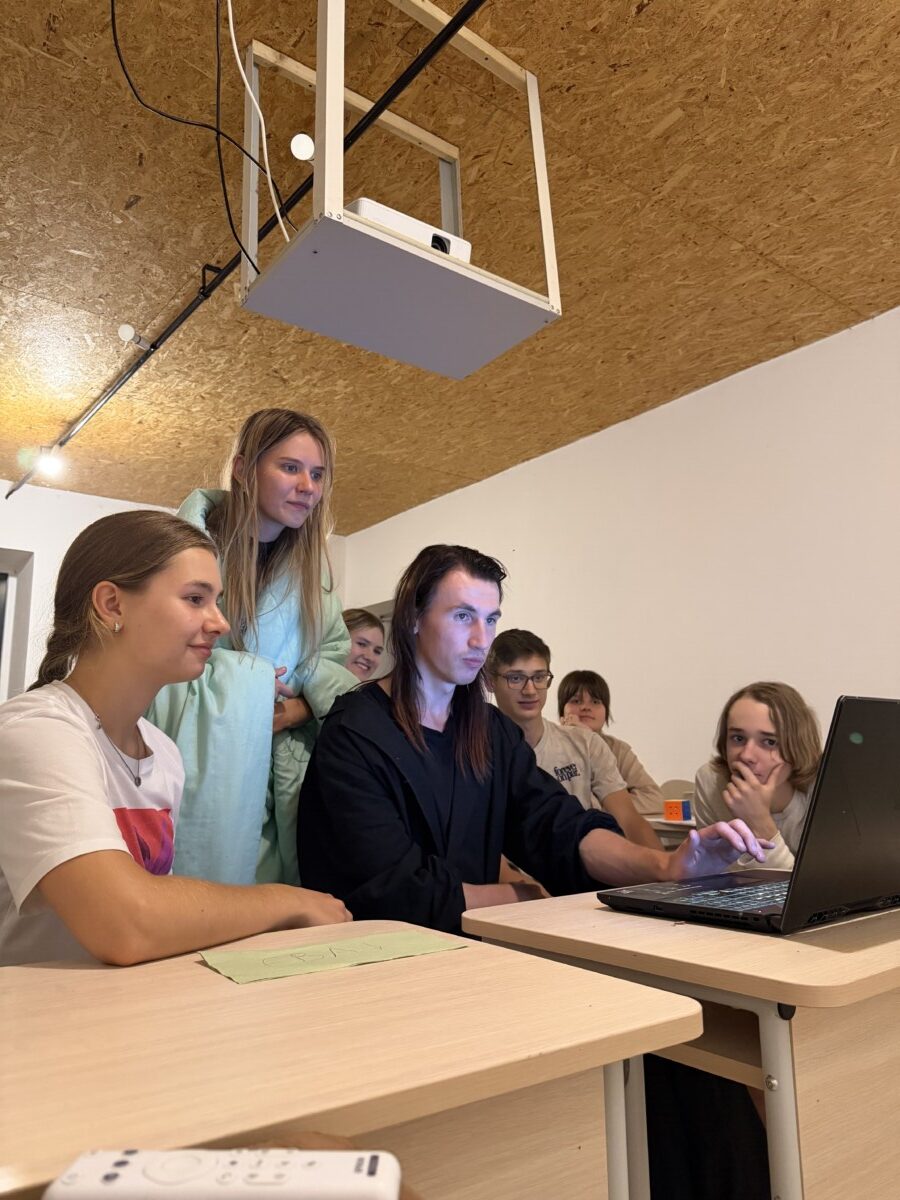
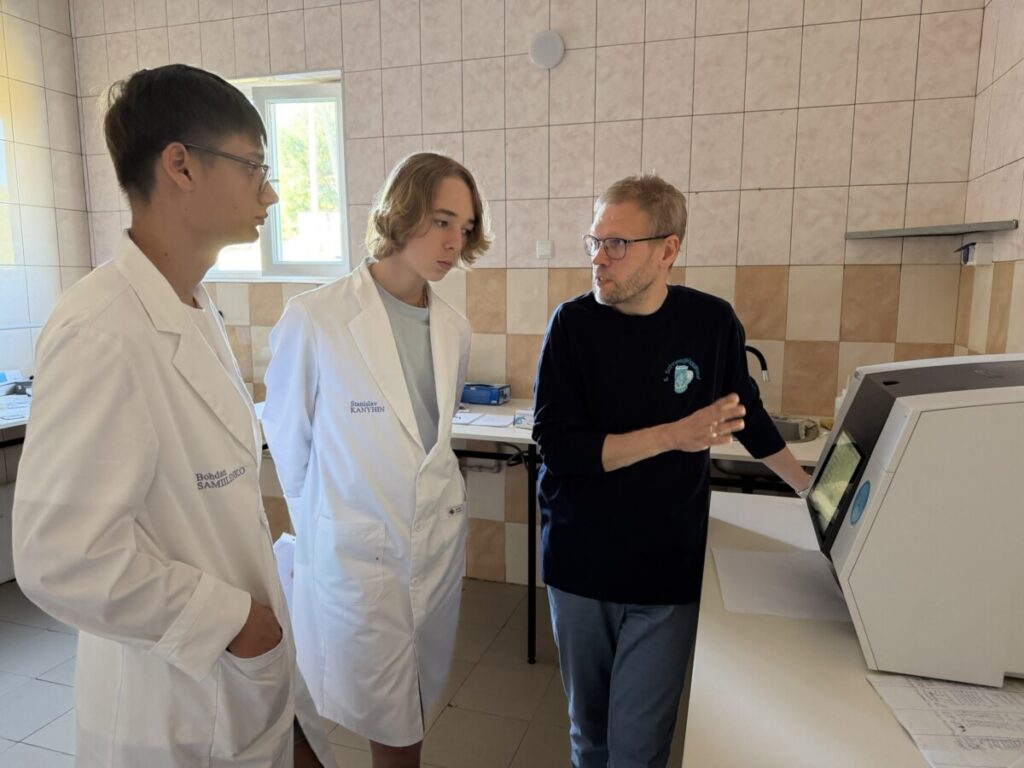
The participants of the camp determined the activities of antioxidant enzymes – catalase and superoxide dismutase in plants, analyzed the behavior of control and stressed organisms, performed genetic crosses of fruit flies, determined the types of protists in water, performed real-time polymerase chain reaction (PCR), analyzing the effect of caffeine on fruit flies.
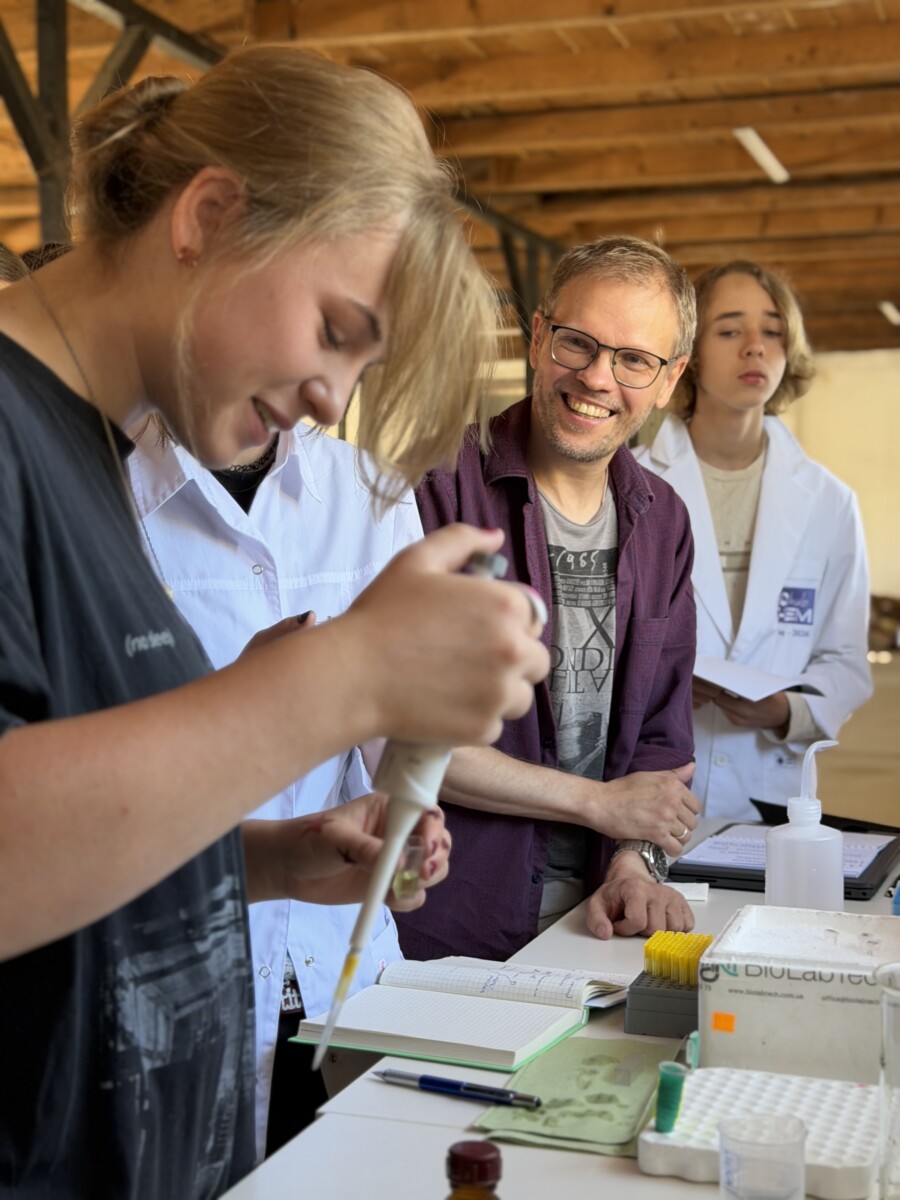
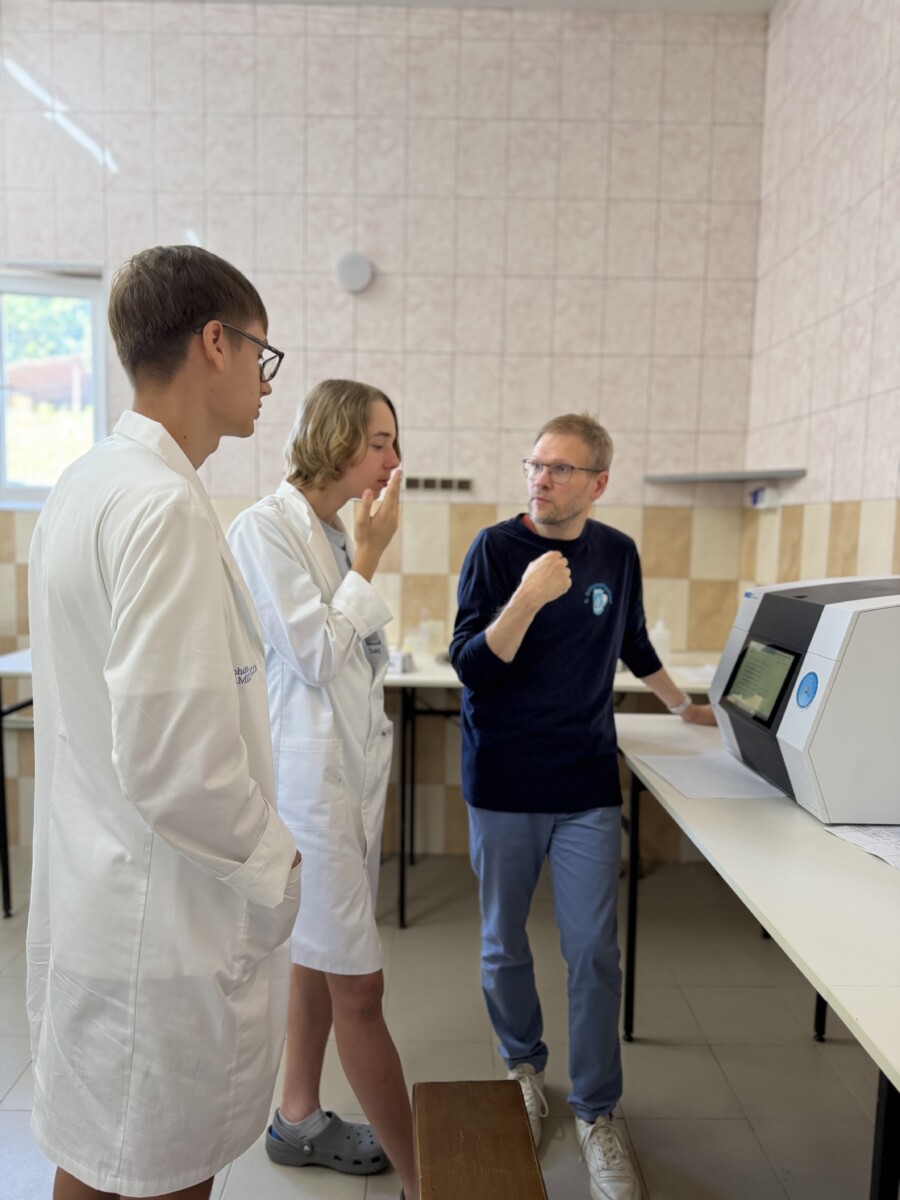
Dmytro, Sofiia and Yevhen conducted laboratory work on genetic crosses, determination of enzyme activity, isolation of RNA from insects, real-time PCR, native electrophoresis of superoxide dismutase in polyacrylamide gel, etc. The camp participants especially noted Yevhen’s unplanned lecture on the metabolism of poisons.
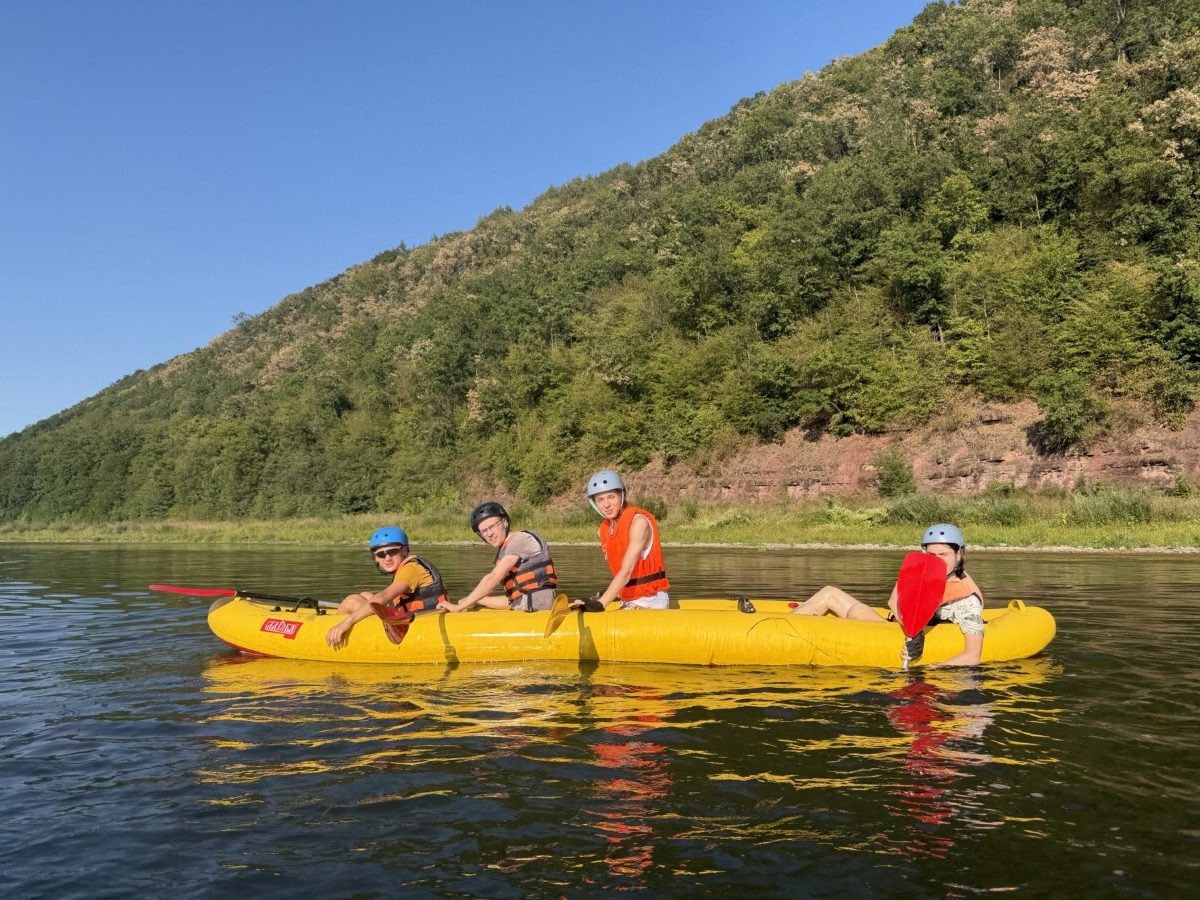
Laboratory work alternated with active recreation – sports and intellectual games, swimming in the river, watching movies. A separate day was set aside for rafting along the Dniester River on baidarkas and SUP boards.